
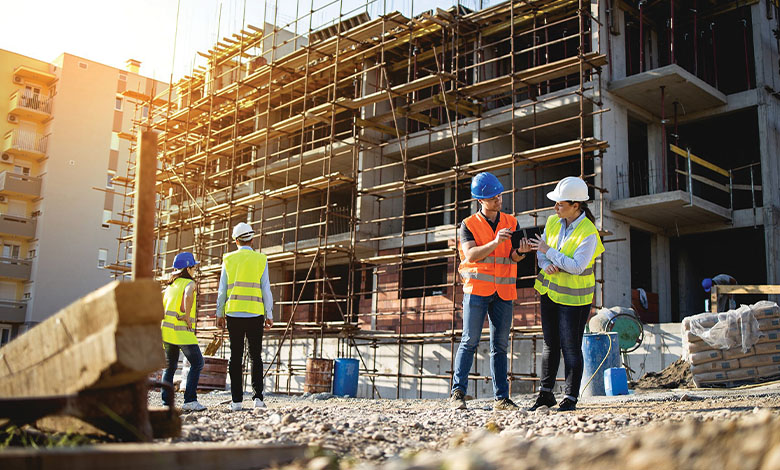
Construction has always been a cornerstone of human progress, from the first rudimentary shelters to the towering skyscrapers that define modern cityscapes. As populations continue to grow and urbanization expands, the construction industry is evolving to meet new challenges and demands. The future of construction will be defined by its ability to harness emerging technologies, embrace sustainability, and improve efficiency. In this article, we will explore the transformative trends that are shaping the future of construction and how they will impact the industry in the coming decades.
The Changing Landscape of Construction
The construction industry is in the midst of a significant transformation. Factors such as population growth, climate change, rapid technological advancement, and the need for more resilient infrastructure are pushing the industry to innovate at an unprecedented pace.
- Urbanization and Population Growth
By 2050, it is estimated that nearly 70% of the world’s population will live in cities. This rapid urbanization presents significant challenges for construction, requiring the development of sustainable, high-density housing, as well as efficient transportation and infrastructure systems. Cities are not only expanding but are also becoming smarter, demanding buildings and infrastructure that are adaptable, efficient, and connected.
- Climate Change and Sustainability
With increasing concerns about climate change and environmental degradation, there is a growing pressure on the construction industry to reduce its carbon footprint. Construction is responsible for a significant portion of global emissions, both from the materials used and the energy consumed during the building process. The industry is facing heightened scrutiny to adopt sustainable practices, minimize waste, and use energy-efficient materials that contribute to a greener, more sustainable future.
- Economic Pressures and Efficiency Demands
The construction industry is also under pressure to reduce costs, speed up project timelines, and improve productivity. Traditional construction methods often lead to project delays, cost overruns, and inefficiencies. As the world becomes more interconnected and competitive, the demand for faster, cheaper, and higher-quality construction solutions is higher than ever.
Key Innovations Transforming Construction
The future of construction will rely heavily on the integration of cutting-edge technologies, advanced materials, and smarter building practices. Here are some of the most significant innovations that are shaping the industry:
- Artificial Intelligence (AI) and Machine Learning
Artificial Intelligence (AI) is rapidly gaining a foothold in the construction industry. AI has the potential to streamline many aspects of construction, from design and planning to project management and safety monitoring. Machine learning algorithms can analyze large datasets to identify trends, predict delays, and optimize project workflows. AI-powered tools can also automate tasks such as scheduling, cost estimation, and risk management, reducing human error and increasing efficiency.
AI is also playing a significant role in construction safety. For instance, AI-powered drones and cameras equipped with object recognition can monitor construction sites in real-time, detecting potential hazards and providing immediate feedback to workers and site managers.
- Building Information Modeling (BIM)
Building Information Modeling (BIM) is one of the most transformative technologies in construction. BIM involves creating a digital model of a building or infrastructure project that includes all physical and functional data. This technology enables a more collaborative and integrated approach to construction by allowing architects, engineers, contractors, and clients to work with a shared, interactive model.
BIM helps optimize design, minimize errors, improve project coordination, and provide better visualizations. As BIM technology advances, it is increasingly being used to improve the lifecycle management of buildings, including operations and maintenance, making it an invaluable tool for both new builds and renovation projects.
- 3D Printing and Additive Manufacturing
3D printing is revolutionizing the way buildings and infrastructure are constructed. This innovative technology uses layers of material to create objects based on digital blueprints, offering a highly customizable and cost-effective approach to construction. With 3D printing, complex structures can be designed and produced much faster and more efficiently than with traditional construction methods.
The potential of 3D printing in construction goes beyond just homes and small structures. Large-scale 3D printers are now capable of printing entire buildings, which could greatly reduce the time and cost of construction. In some parts of the world, 3D-printed houses are already being built to address housing shortages and provide affordable living solutions.
- Drones and Robotics
Drones and robotics are rapidly becoming integral tools in modern construction. Drones are used to survey construction sites, collect data, monitor progress, and inspect hard-to-reach areas. Drones equipped with high-resolution cameras and thermal imaging can provide accurate, real-time insights into the status of a project, allowing for faster decision-making and early detection of issues.
Meanwhile, robotics is streamlining on-site construction tasks. Robotic bricklaying, concrete pouring, and even welding are being used to automate repetitive tasks, increase precision, and reduce the reliance on manual labor. These technologies not only improve efficiency but also enhance safety by taking workers out of dangerous environments.
- Sustainable and Smart Materials
The development of new materials is crucial to meeting the demands for sustainable construction. Smart materials, such as self-healing concrete, which can repair cracks over time, and energy-efficient insulation, are changing the way buildings are designed and constructed. Other innovations, like transparent solar panels and biodegradable building materials, offer the potential to significantly reduce energy consumption and minimize environmental impact.
The use of recycled materials is also gaining traction in the construction industry. Companies are increasingly using recycled steel, wood, and other building components to reduce waste and the need for virgin materials. As materials science advances, new options for sustainable, high-performance materials are expected to play a key role in shaping the future of construction.
- Modular and Prefabricated Construction
Modular 清拆工程 , where building components are prefabricated off-site and assembled on location, is becoming more popular due to its speed and efficiency. Prefabrication offers greater control over quality, reduces construction waste, and speeds up the building process by allowing multiple parts of a project to be worked on simultaneously.
Modular construction is being used for a wide range of applications, from residential homes to office buildings and schools. This approach also makes it easier to create customizable buildings that can be easily expanded or modified over time. With increasing demand for affordable and sustainable housing, modular construction is expected to become a key method of addressing housing shortages globally.
Overcoming Challenges in Construction
While the future of construction looks promising, several challenges remain that the industry must address:
- Workforce Shortages
The construction industry is experiencing a growing shortage of skilled workers, particularly in traditional trades such as carpentry, plumbing, and electrical work. This shortage, combined with an aging workforce and limited interest from younger generations, poses a significant challenge to the industry's growth.
To overcome this, the industry must invest in education and training programs that equip workers with the necessary skills to thrive in an increasingly tech-driven environment. Additionally, construction companies must adopt more flexible, inclusive work practices to attract and retain talent.
- Cost Overruns and Delays
Despite technological advancements, cost overruns and delays are still common in construction projects. Factors such as inaccurate cost estimates, supply chain disruptions, and unexpected site conditions can cause projects to exceed budgets and timelines.
By utilizing technologies like BIM and AI, the industry can improve forecasting, project management, and risk mitigation. Data-driven insights can help predict potential issues and prevent costly mistakes, allowing for smoother project execution.
- Regulatory Compliance
Construction projects are subject to a complex web of regulations and building codes that vary by region. Keeping up with these regulations can be a significant challenge, especially as cities continue to grow and new building materials and technologies emerge.
To navigate these complexities, construction firms must stay up-to-date on local laws and industry standards. Implementing digital tools that streamline regulatory compliance and automate documentation can help companies ensure they meet all necessary requirements while minimizing delays.
Conclusion: Building a Smarter Future
The future of construction is poised to be shaped by innovation, technology, and a commitment to sustainability. From AI and BIM to 3D printing and modular construction, these advancements are creating a more efficient, cost-effective, and environmentally responsible construction industry. However, challenges such as workforce shortages, regulatory compliance, and cost overruns remain, requiring ongoing efforts to drive progress.
As the construction industry continues to adapt to the changing needs of society and the environment, it will play a central role in shaping the world we live in. By embracing new technologies and sustainable practices, the construction industry has the potential to build smarter, more resilient cities and communities, ensuring a better quality of life for future generations.